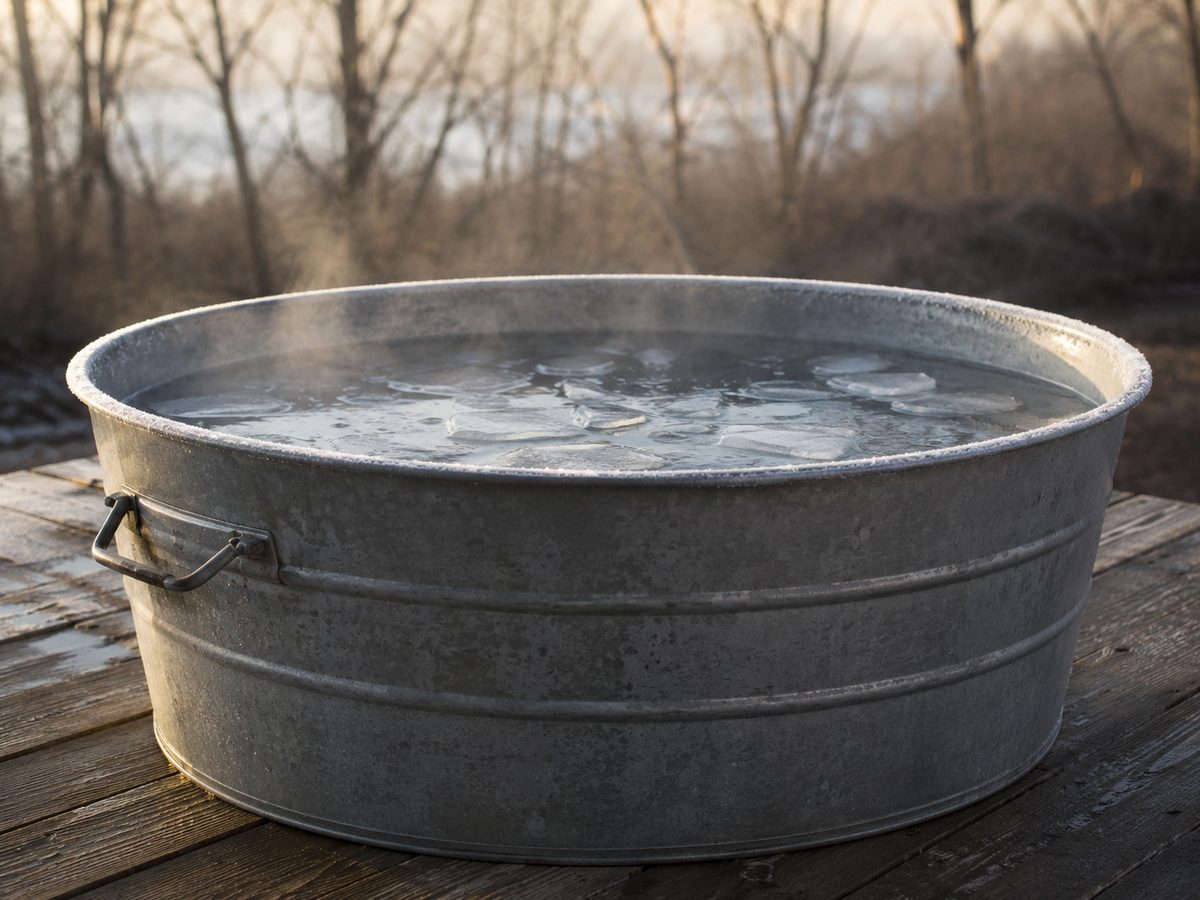
Cold exposure has moved from a fringe endurance-athlete practice into mainstream wellness conversation, with ice baths, cold plunges, and cold showers now showing up in gyms, wellness centers, and home bathrooms alike. The practice has real physiological effects behind it, along with real risks that deserve honest treatment rather than being glossed over in favor of the more dramatic benefit claims that dominate social media.
What Happens Physiologically During Cold Exposure
Immersion in cold water triggers an immediate, involuntary physiological response often called the cold shock response, a sharp intake of breath, elevated heart rate, and a surge of stress hormones including adrenaline and cortisol. Blood vessels near the skin’s surface constrict sharply, a process called vasoconstriction, redirecting blood flow toward the body’s core to protect vital organs from heat loss. With repeated, controlled exposure over time, the body adapts, developing what’s sometimes called cold tolerance, a reduced stress response to a given temperature compared to someone without regular exposure, alongside changes in how efficiently the body regulates its own temperature more broadly.
A Brief History
Cold water immersion for health and recovery purposes has a long history across multiple cultures. Ancient Greek physicians, including Hippocrates, wrote about cold water’s therapeutic applications for various ailments. Scandinavian and Nordic cultures have practiced cold water immersion, often paired with sauna use, for centuries as part of regular life rather than a specialized wellness intervention. Japanese and Russian traditions include their own long-standing cold water practices tied to both physical health and spiritual discipline. The modern popularization of ice baths specifically in athletic and wellness contexts accelerated significantly starting in the 2000s, with figures like Wim Hof bringing structured cold exposure combined with specific breathing techniques into much broader public awareness starting in the following decade, alongside a growing body of exercise science research examining its effects on recovery and inflammation.
Documented Benefits
Research on cold exposure shows several genuine, measurable effects worth taking seriously. Reduced perceived muscle soreness following intense exercise is one of the more consistently documented benefits, with cold water immersion showing real, if modest, effects on recovery time and subjective soreness in athletic populations. Mood and alertness improvements following cold exposure are well documented, tied to the surge of norepinephrine and other neurochemicals released during the cold shock response, an effect some people describe as similar to a natural, adrenaline-driven mood lift. Some research suggests cold exposure may support metabolic activation of brown fat, a type of fat tissue that burns calories to generate heat, though the practical significance of this effect for weight management specifically remains a more modest and more debated area of research than some popular claims suggest. And a growing body of research connects regular, controlled cold exposure to improved stress resilience more broadly, the theory being that repeated, controlled exposure to a real physiological stressor builds a more adaptable, better-regulated stress response over time, similar in principle to how controlled exercise stress builds fitness.
Real Risks Worth Taking Seriously
Cold exposure isn’t risk-free, and the risks deserve the same honest treatment as the benefits. Cold shock response itself can be genuinely dangerous for some people, particularly triggering irregular heart rhythms in individuals with underlying cardiovascular conditions, which is exactly why anyone with a heart condition should talk to a doctor before attempting cold water immersion. Hypothermia is a real risk with prolonged exposure or very cold water temperatures, particularly for beginners who may underestimate how quickly cold water immersion affects core temperature compared to cold air exposure. Cold water shock can also impair coordination and judgment quickly, which is part of why cold water immersion, especially in open water rather than a controlled tub, should never be attempted alone without someone nearby who can help if something goes wrong.
Who Should Be Especially Cautious
Certain groups warrant extra caution or medical clearance before starting cold exposure practice. This includes anyone with cardiovascular disease or a history of heart arrhythmia, anyone with Raynaud’s phenomenon or other circulation disorders, pregnant individuals, and anyone with uncontrolled high blood pressure. This isn’t a comprehensive list, and a conversation with a doctor before starting is a reasonable step for anyone with an existing health condition, not just the specific ones named here.
How to Start Safely
Beginning gradually matters more than most people expect going in. Starting with cold showers, ending a regular warm shower with thirty seconds to a minute of cold water, is a reasonable, low-risk entry point that allows the body to adapt to milder cold exposure before progressing to full immersion. From there, a cold plunge or ice bath in the range of fifty to sixty degrees Fahrenheit for one to three minutes is a reasonable starting point for most healthy adults, well short of the more extreme, prolonged exposures sometimes shown in social media content. Breathing control matters significantly during the initial cold shock response, slow, deliberate breathing rather than panicked, rapid breathing helps manage the involuntary stress response and makes the experience considerably more tolerable. And never practicing extended cold exposure completely alone, particularly as a beginner, is a reasonable safety precaution given how quickly cold water can affect judgment and coordination.
Building Tolerance Gradually
Progression should be gradual, both in duration and temperature, over weeks rather than jumping to extreme cold or extended time quickly. Two to three sessions a week is a reasonable starting frequency for most people building the practice into a routine, with duration and intensity increasing slowly as tolerance genuinely develops, rather than being pushed prematurely in pursuit of a more dramatic result.
How This Fits Into the 9 Pillars
Cold exposure connects most directly to Movement and Thought, given its physical training effect on the body’s stress response system and its documented mood and mental resilience benefits, though it also touches Breath directly, given how central breath control is to managing the experience safely and effectively.
How This Works Into What I Offer
Ice baths and cold exposure are covered as part of the fieldwork practices in RIPPEDAT50 Deluxe, addressed alongside the broader mindset and physical training the book and course are built around. Explore it at certifiedhealthnut.com/online-courses/rippedat50-deluxe.
What to Do Next
If you’re new to cold exposure, start with cold showers for a week or two before considering a full plunge, and talk to a doctor first if you have any cardiovascular condition. For guided fieldwork on cold exposure and related practices, explore RIPPEDAT50 Deluxe at certifiedhealthnut.com/online-courses/rippedat50-deluxe, or reach out through certifiedhealthnut.com with questions.
Frequently Asked Questions
What happens physiologically during cold exposure?
Immersion triggers an immediate, involuntary cold shock response: a sharp intake of breath, elevated heart rate and a surge of stress hormones including adrenaline and cortisol. Blood vessels near the skin constrict sharply, redirecting blood flow toward the core to protect vital organs from heat loss. With repeated controlled exposure the body adapts, developing cold tolerance, a reduced stress response to a given temperature.
Which benefits are actually documented?
Reduced perceived muscle soreness after intense exercise is one of the more consistently documented effects. Mood and alertness improvements are well documented, tied to the surge of norepinephrine during the cold shock response. Some research suggests cold exposure may support metabolic activation of brown fat, though its practical significance for weight management is more modest and more debated than popular claims suggest. A growing body of research connects regular controlled exposure to improved stress resilience more broadly.
What are the real risks?
The cold shock response itself can be genuinely dangerous for some people, particularly triggering irregular heart rhythms in individuals with underlying cardiovascular conditions. Hypothermia is a real risk with prolonged exposure or very cold water, particularly for beginners who underestimate how quickly immersion affects core temperature compared to cold air. Cold water shock can also impair coordination and judgment quickly, which is why immersion should never be attempted alone.
Who should be especially cautious?
Anyone with cardiovascular disease or a history of heart arrhythmia, anyone with Raynaud’s phenomenon or other circulation disorders, pregnant individuals, and anyone with uncontrolled high blood pressure. That is not a comprehensive list, and a conversation with a doctor before starting is a reasonable step for anyone with an existing health condition.
How should a beginner start?
Gradually. Ending a regular warm shower with thirty seconds to a minute of cold water is a reasonable, low-risk entry point. From there a cold plunge in the range of fifty to sixty degrees Fahrenheit for one to three minutes suits most healthy adults, well short of the extreme exposures shown in social media content. Slow, deliberate breathing rather than panicked breathing helps manage the involuntary stress response. Two to three sessions a week is a reasonable starting frequency.