Ask most people to name the body’s most important organ, and the heart or the brain usually comes up first. The liver rarely gets mentioned, despite performing more distinct functions than almost any other organ in the body. Understanding why the liver deserves this kind of central attention starts with understanding just how much it does.
What the Liver Handles
The liver performs more than five hundred distinct functions, a figure that surprises most people the first time they hear it. It filters and processes essentially everything that enters the bloodstream from the digestive tract, breaking down nutrients, neutralizing toxins, and metabolizing medications and alcohol. It produces bile, essential for digesting and absorbing dietary fat. It stores and regulates glucose, releasing it into the bloodstream to maintain stable blood sugar between meals. It synthesizes proteins essential for blood clotting and immune function. It metabolizes hormones, including regulating how estrogen and testosterone are processed and cleared from the body. And it plays a central role in processing and eliminating waste products generated by normal metabolism, working alongside the kidneys as one of the body’s two primary filtration systems.
This range of function is exactly why practitioners across multiple traditional medicine systems have historically treated the liver as a kind of central hub, a single organ whose function ripples outward into nearly every other system in the body, rather than one specialized organ handling one narrow task the way many others do.
A Brief History
The liver’s central importance was recognized long before modern biochemistry could explain the mechanisms involved. Ancient Mesopotamian and Babylonian medicine treated the liver as the seat of life force and even used liver models for divination, reflecting how central the organ was considered to overall health and vitality. Traditional Chinese medicine developed an elaborate framework around the liver’s role in regulating the smooth flow of qi throughout the body, connecting liver function to mood, digestion, and even eye health, associations that modern research has since found genuine physiological connections behind, even though the original framework used different language to describe them.
Western medicine’s detailed, mechanistic understanding of liver function developed much later, advancing significantly through the 20th century as biochemistry matured as a field. The discovery of the liver’s specific detoxification enzyme systems, and its central role in drug and hormone metabolism, largely developed from the 1950s onward, giving modern medicine a much more precise picture of exactly how the liver performs the functions traditional systems had identified through observation centuries earlier.
Why “Clean the Liver” Shows Up as Advice for Nearly Everything
Because the liver touches so many systems at once, supporting it tends to produce ripple effects across a wide range of seemingly unrelated symptoms. A liver working efficiently supports better hormone balance, since it’s directly responsible for clearing excess estrogen and metabolized testosterone from the bloodstream. It supports clearer skin, since impaired detoxification can show up as skin issues when the body’s other elimination pathways compensate for reduced liver efficiency. It supports more stable energy, given its central role in blood sugar regulation. It supports better digestion, through bile production. And it supports overall immune resilience, given the proteins and immune factors it produces.
This is part of why traditional herbalists and naturopathic practitioners so often return to liver support as a foundational recommendation regardless of the specific complaint someone presents with, not because the liver is a magic cure for everything, but because so many different systems depend on it functioning well that supporting it tends to produce broad, noticeable benefit.
What Burdens the Liver in Daily Life
Certain daily exposures place real, measurable strain on liver function. Alcohol is processed almost entirely by the liver, and regular heavy intake is one of the most well-documented causes of liver damage over time. A diet high in processed food, refined sugar, and unhealthy fats contributes to fatty liver disease, a condition that’s become increasingly common and isn’t limited to heavy drinkers, since it can develop from dietary patterns alone. Certain medications, when used long-term or at high doses, place additional metabolic burden on the liver as it processes and clears them. And environmental toxin exposure, including certain chemicals, mold-related mycotoxins, and heavy metals, all require liver processing to be cleared from the body.
What Genuinely Supports Liver Function
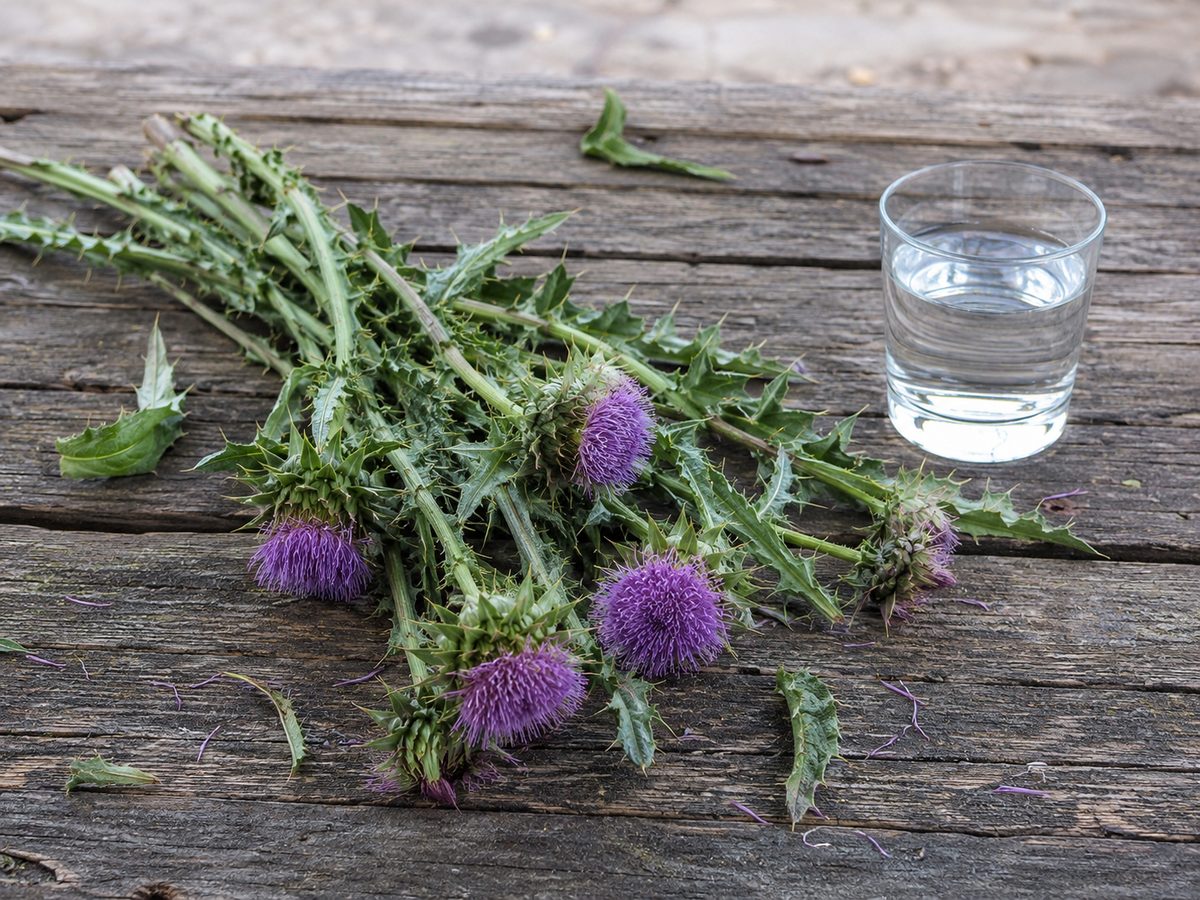
Supporting liver health doesn’t require exotic interventions. Reducing alcohol intake is one of the more direct, measurable ways to reduce liver burden. Cruciferous vegetables, broccoli, Brussels sprouts, cabbage, and similar options, contain compounds shown in research to support the liver’s detoxification enzyme pathways specifically. Adequate hydration supports the broader elimination process the liver’s output depends on. Maintaining a healthy weight reduces the risk of fatty liver disease directly, given how closely that condition tracks with metabolic health more broadly. And certain herbs, milk thistle being one of the more researched examples, have documented liver-protective properties, though it’s worth treating any herbal support as a complement to the lifestyle factors above rather than a replacement for addressing them.
When Liver Issues Need Real Medical Attention
Persistent fatigue, unexplained abdominal discomfort particularly in the upper right side, yellowing of the skin or eyes, dark urine, and unexplained itching can all be signs of a liver issue that needs medical evaluation, including bloodwork to check liver enzyme levels directly. These symptoms shouldn’t be addressed through general lifestyle changes alone. A doctor can identify whether something more specific, from fatty liver disease to hepatitis to another condition entirely, is driving the symptoms, and guide appropriate treatment from there.
How This Fits Into the 9 Pillars
Liver function connects most directly to Food and Water, given how directly diet and hydration influence its workload and capacity, but its effects ripple into nearly every other pillar given how many systems throughout the body depend on it functioning well. This is exactly the kind of connective tissue that makes treating health as a whole system, rather than isolated symptoms, genuinely useful rather than just a nice idea.
How This Works Into What I Offer
The CHN Detox Program addresses liver support directly as part of its broader approach to the body’s elimination pathways, alongside nutrition and fasting guidance built around exactly this kind of whole-system thinking. Explore it at certifiedhealthnut.com/online-courses/chn-detox-program.
What to Do Next
Start with the basics: moderate alcohol intake, add cruciferous vegetables regularly, and stay well hydrated. If you’re experiencing any of the warning signs covered in this post, see a doctor for bloodwork before trying to address it through diet alone. For a structured approach to supporting liver function alongside the rest of the body’s detox pathways, explore the CHN Detox Program at certifiedhealthnut.com/online-courses/chn-detox-program, or reach out through certifiedhealthnut.com with questions.
Frequently Asked Questions
What does the liver actually do?
More than five hundred distinct functions. It filters and processes essentially everything entering the bloodstream from the digestive tract, breaking down nutrients, neutralising toxins and metabolising medications and alcohol. It produces bile for digesting dietary fat, stores and regulates glucose to maintain stable blood sugar between meals, synthesises proteins essential for blood clotting and immune function, metabolises hormones including estrogen and testosterone, and works alongside the kidneys as one of the body’s two primary filtration systems.
Why does “support your liver” show up as advice for nearly everything?
Because the liver touches so many systems at once, supporting it tends to produce ripple effects across seemingly unrelated symptoms. A liver working efficiently supports better hormone balance, since it clears excess estrogen and metabolised testosterone. It supports clearer skin, more stable energy through blood sugar regulation, better digestion through bile production, and overall immune resilience. Not because it is a magic cure, but because so many systems depend on it.
What burdens the liver in daily life?
Alcohol is processed almost entirely by the liver, and regular heavy intake is one of the most well-documented causes of liver damage over time. A diet high in processed food, refined sugar and unhealthy fats contributes to fatty liver disease, which is not limited to heavy drinkers and can develop from dietary patterns alone. Certain medications used long-term or at high doses add metabolic burden, and environmental toxin exposure including chemicals, mold-related mycotoxins and heavy metals all require liver processing.
What genuinely supports liver function?
Nothing exotic. Reducing alcohol intake is one of the more direct, measurable ways to reduce burden. Cruciferous vegetables such as broccoli, Brussels sprouts and cabbage contain compounds shown to support the liver’s detoxification enzyme pathways. Adequate hydration supports the broader elimination process. Maintaining a healthy weight reduces fatty liver disease risk directly. Certain herbs, milk thistle being one of the more researched, have documented liver-protective properties, best treated as a complement rather than a replacement for the above.
What symptoms mean I should see a doctor?
Persistent fatigue, unexplained abdominal discomfort particularly in the upper right side, yellowing of the skin or eyes, dark urine, and unexplained itching can all indicate a liver issue needing medical evaluation, including bloodwork to check liver enzyme levels directly. These should not be addressed through general lifestyle changes alone.