
Electromagnetic fields, commonly shortened to EMF, are an invisible presence in nearly every modern home, generated by everything from Wi-Fi routers to phone chargers to the electrical wiring running through the walls. Interest in reducing EMF exposure has grown significantly, and it’s a topic that draws real skepticism alongside real, if still developing, research. Understanding what EMF is, where it comes from, and what reasonable precautions look like helps separate genuine concern from unnecessary alarm.
What EMF Refers To
Electromagnetic fields exist across a wide spectrum, ranging from extremely low frequency fields generated by electrical wiring and appliances, to radiofrequency fields generated by Wi-Fi, cell phones, and Bluetooth devices, all the way up to ionizing radiation like X-rays, which carries well-established, significant health risks at even modest exposure levels. It’s important to distinguish between these categories clearly, since they behave very differently and carry very different risk profiles. The EMF most relevant to a typical home, from Wi-Fi routers, smart devices, and household electronics, falls into the non-ionizing category, meaning it doesn’t carry enough energy to directly damage DNA the way ionizing radiation can. This distinction is central to understanding why the EMF conversation is more nuanced and more contested than simpler radiation exposure conversations.
A Brief History
Concern about electromagnetic exposure isn’t new. Public and scientific attention to power line exposure specifically grew significantly in the late 1970s and 1980s following a series of studies, some suggesting a possible association between proximity to high-voltage power lines and childhood leukemia, prompting substantial follow-up research over the following decades. The results of that broader research effort have remained genuinely mixed, with some studies suggesting a weak statistical association and others finding none, a state of scientific uncertainty that continues today rather than having been definitively resolved in either direction.
The World Health Organization’s International Agency for Research on Cancer classified radiofrequency electromagnetic fields, the category relevant to cell phones and Wi-Fi, as a possible carcinogen in 2011, a classification that reflects genuine uncertainty in the evidence rather than a confirmed risk, the same classification category that includes substances like aloe vera extract and pickled vegetables, worth knowing for context on how that specific classification tier is used.
What the Research Currently Shows
It’s worth being straightforward about where the evidence stands, rather than overstating certainty in either direction. Long-term, large-scale studies on cell phone use and brain cancer risk specifically have generally not found a clear, consistent association, though research continues given how relatively recent widespread heavy cell phone use is in the scope of a human lifetime, meaning very long-term effects remain harder to fully rule out. Some research has explored potential effects on sleep quality, since blue light and, separately, evening screen use near the body have both been studied, though these effects are more clearly tied to light exposure and stimulating content than to EMF specifically. The overall scientific picture is one of ongoing research and reasonable caution rather than settled alarm or settled reassurance in either direction.
A Reasonable, Precautionary Approach
Given the genuine scientific uncertainty, a precautionary approach, taking simple, low-cost steps to reduce unnecessary exposure without dramatically restructuring daily life around fear, is a reasonable middle ground between dismissing the topic entirely and treating every device as an urgent threat.
Practical Steps to Reduce Exposure at Home
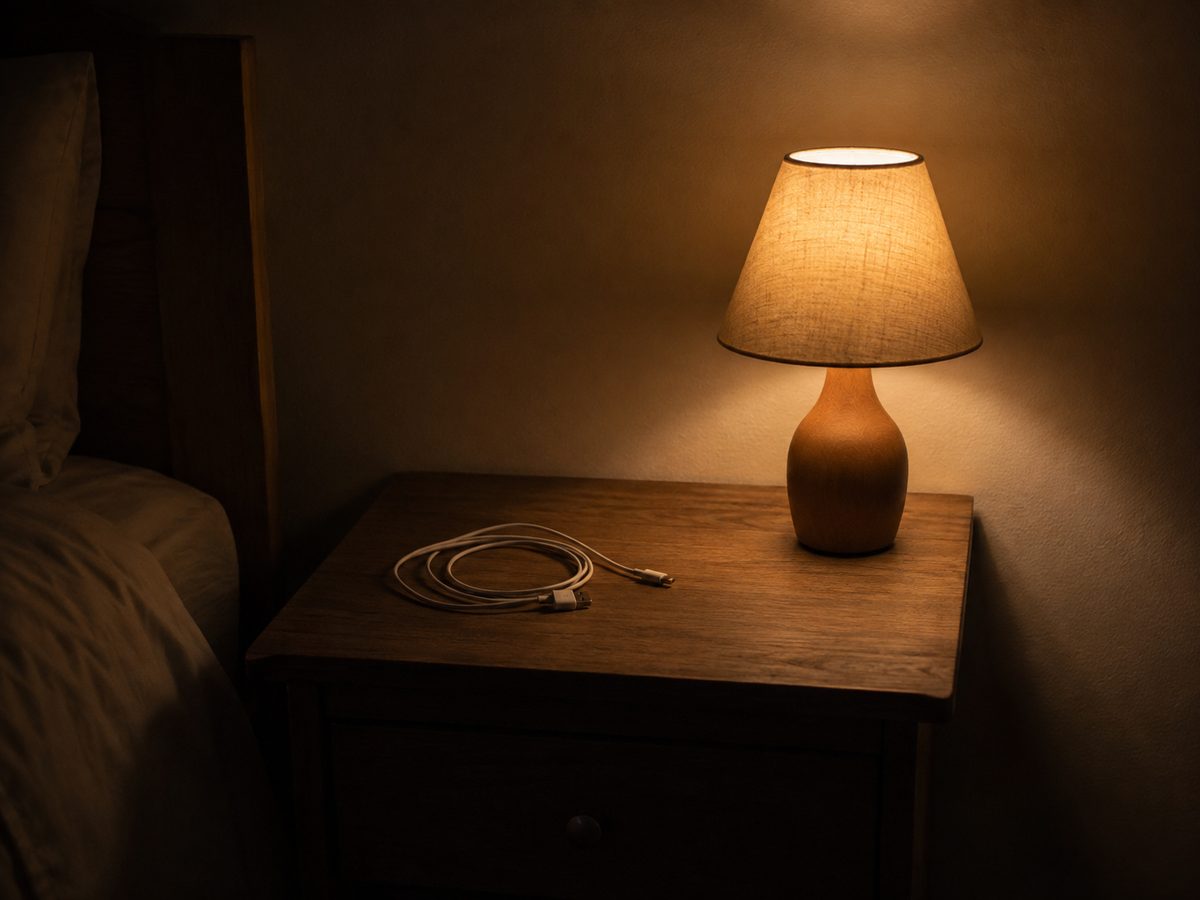
Turning off Wi-Fi routers overnight is one of the simplest changes available, reducing both EMF exposure and, separately, supporting better sleep by removing a source of blue light and notification temptation from the bedroom entirely. Keeping phones out of the bedroom overnight, or at minimum in airplane mode while charging, addresses the closest and most consistent source of exposure most people have, given how close a phone typically sits to the body while charging overnight.
Using wired connections where practical, ethernet cables instead of Wi-Fi for devices that don’t need to move, and wired headphones or speakerphone instead of holding a phone directly against the head for long calls, both reduce direct exposure without requiring major lifestyle changes. Keeping some distance between the body and Wi-Fi routers, smart home hubs, and other always-on wireless devices during the hours you’re closest to them, like sleeping, reduces cumulative exposure during the longest stretch of consistent proximity most people have in a day. And being thoughtful about smart meters and other always-transmitting devices mounted close to frequently occupied rooms, when renovation or placement decisions allow for it, is worth factoring in without requiring an expensive retrofit for most households.
What’s Probably Not Worth the Investment
It’s worth naming directly that a substantial market has grown around EMF protection products, shielding paint, specialized clothing, and various devices claiming to neutralize or block EMF, many with limited or no independent evidence supporting their specific claims. A reasonable approach favors the free or low-cost precautions covered above, distance, timing, wired connections where practical, over expensive products making dramatic, unsubstantiated protection claims. If a specific product genuinely interests you, independent, third-party testing evidence is worth looking for before investing significantly, rather than relying on the marketing claims alone.
Mold and EMF: An Underappreciated Connection
One connection worth knowing about directly: some research and clinical observation suggests mold growth can be exacerbated by ambient electromagnetic exposure, adding another reason to take both environmental factors seriously together rather than in isolation, particularly for anyone dealing with a living space that has both consistent Wi-Fi exposure and any history of moisture or mold concern.
How This Fits Into the 9 Pillars
EMF exposure connects most directly to Nature, as one of several modern environmental factors that didn’t exist for most of human history and that the body hasn’t had evolutionary time to fully adapt to, but its most direct practical effect for most people shows up through Rest, given how closely bedroom EMF sources overlap with sleep disruption more broadly.
How This Works Into What I Offer
Reducing unnecessary EMF exposure is one of several environmental factors covered as part of a complete approach to detox and daily habit support. Explore the CHN Detox Program at certifiedhealthnut.com/online-courses/chn-detox-program, and the Mold Guide at certifiedhealthnut.com/mold-guide, for related environmental health guidance.
What to Do Next
Start with the simplest, free change: turn off your Wi-Fi router overnight and keep your phone out of the bedroom while you sleep. For a broader look at environmental health factors including mold, explore the Mold Guide at certifiedhealthnut.com/mold-guide, or reach out through certifiedhealthnut.com with questions.
Frequently Asked Questions
What does EMF actually refer to?
Electromagnetic fields exist across a wide spectrum, from extremely low frequency fields generated by electrical wiring and appliances, to radiofrequency fields from Wi-Fi, cell phones and Bluetooth, up to ionizing radiation like X-rays, which carries well-established risks. The EMF relevant to a typical home falls into the non-ionizing category, meaning it does not carry enough energy to directly damage DNA the way ionizing radiation can. That distinction is central to why the conversation is more nuanced than simpler radiation discussions.
What does the research currently show?
Long-term, large-scale studies on cell phone use and brain cancer risk have generally not found a clear, consistent association, though research continues given how relatively recent heavy cell phone use is. The World Health Organization’s cancer agency classified radiofrequency fields as a possible carcinogen in 2011, a classification reflecting genuine uncertainty rather than confirmed risk, the same tier that includes aloe vera extract and pickled vegetables. The overall picture is ongoing research and reasonable caution rather than settled alarm or settled reassurance.
What practical steps reduce exposure at home?
Turning off Wi-Fi routers overnight is one of the simplest changes, and separately supports better sleep. Keeping phones out of the bedroom overnight, or at minimum in airplane mode while charging, addresses the closest and most consistent source most people have. Using wired connections where practical, and wired headphones or speakerphone rather than holding a phone against the head for long calls, reduces direct exposure. Keeping distance between the body and always-on wireless devices during sleep reduces cumulative exposure during the longest stretch of proximity.
Are EMF protection products worth buying?
A substantial market has grown around shielding paint, specialised clothing and devices claiming to neutralise EMF, many with limited or no independent evidence supporting their specific claims. A reasonable approach favours the free or low-cost precautions, distance, timing and wired connections, over expensive products making dramatic, unsubstantiated claims. If a specific product genuinely interests you, look for independent third-party testing evidence before investing.
Is there a connection between mold and EMF?
Some research and clinical observation suggests mold growth can be exacerbated by ambient electromagnetic exposure, which is a reason to take both environmental factors seriously together rather than in isolation, particularly for anyone whose living space has both consistent Wi-Fi exposure and any history of moisture or mold concern.