
Men will optimize their diet, their training, their sleep, and their supplement stack without giving a second thought to what’s wrapped around their reproductive organs for twelve to sixteen hours a day. That’s a real gap, and it’s worth taking seriously rather than dismissing as a minor detail unrelated to hormone health.
Why Temperature Matters for Testosterone Production
Testicular function depends on maintaining a temperature slightly below core body temperature, generally a few degrees cooler, which is exactly why the testes sit outside the body in the first place rather than internally the way most other organs do. Sperm production, called spermatogenesis, is particularly sensitive to elevated temperature, and research has consistently linked increased scrotal temperature to reduced sperm quality and count. Testosterone production itself is also affected by sustained heat exposure, though the research specifically isolating underwear choice as a variable is less extensive than the broader research on heat exposure and testicular function generally, which includes hot tubs, laptops used directly on the lap, and tight clothing as commonly studied heat sources.
A Brief History
Concerns about male fertility connected to clothing and heat exposure aren’t new. Medical literature discussing the relationship between scrotal temperature and fertility dates back decades, with researchers studying occupational heat exposure, professions requiring prolonged sitting or heat exposure, as early indicators that external temperature affected reproductive function well before consumer underwear specifically became a topic of interest. Concern about declining sperm counts more broadly gained significant attention following a large 2017 meta-analysis published in Human Reproduction Update, which found sperm counts among men in Western countries had declined by more than half over four decades, research that renewed broader interest in environmental and lifestyle factors, clothing choice included, that might be contributing to the trend.
What Modern Underwear Is Made Of
Most conventional underwear on the market is made from synthetic materials, primarily polyester and nylon blends, chosen for cost, stretch, and moisture-wicking properties rather than for their effect on skin contact or temperature regulation specifically. These materials are petroleum-based plastics, and beyond their heat-trapping properties, they can be treated with synthetic dyes and chemical finishes during manufacturing, adding another layer of direct, sustained skin contact with compounds that natural fibers don’t carry in the same way.
The Heat and Airflow Problem
Tight-fitting synthetic underwear traps heat and limits airflow around the testicles more than looser, breathable natural fibers do. This isn’t primarily about the fabric type in isolation so much as the combination of tight fit and poor breathability that synthetic materials, especially compression-style or snug performance underwear worn continuously, tend to produce. Consistently elevated scrotal temperature over months and years, day after day, is a meaningfully different exposure than an occasional hot bath or a single hot day, and it’s this chronic, daily pattern that raises more genuine concern than any single instance of heat exposure would.
What Xenoestrogens Have to Do With This
Beyond temperature, certain synthetic materials and the dyes or finishes used in manufacturing can contain or shed compounds that function as xenoestrogens, chemicals that mimic estrogen in the body and can interfere with normal hormone signaling when exposure is sustained. This is a broader category that includes many plastics and personal care products, not just underwear specifically, but underwear’s position, in prolonged, direct contact with reproductive tissue for the majority of most days, makes it a meaningfully relevant piece of that broader exposure picture rather than an insignificant one.
What to Look for Instead
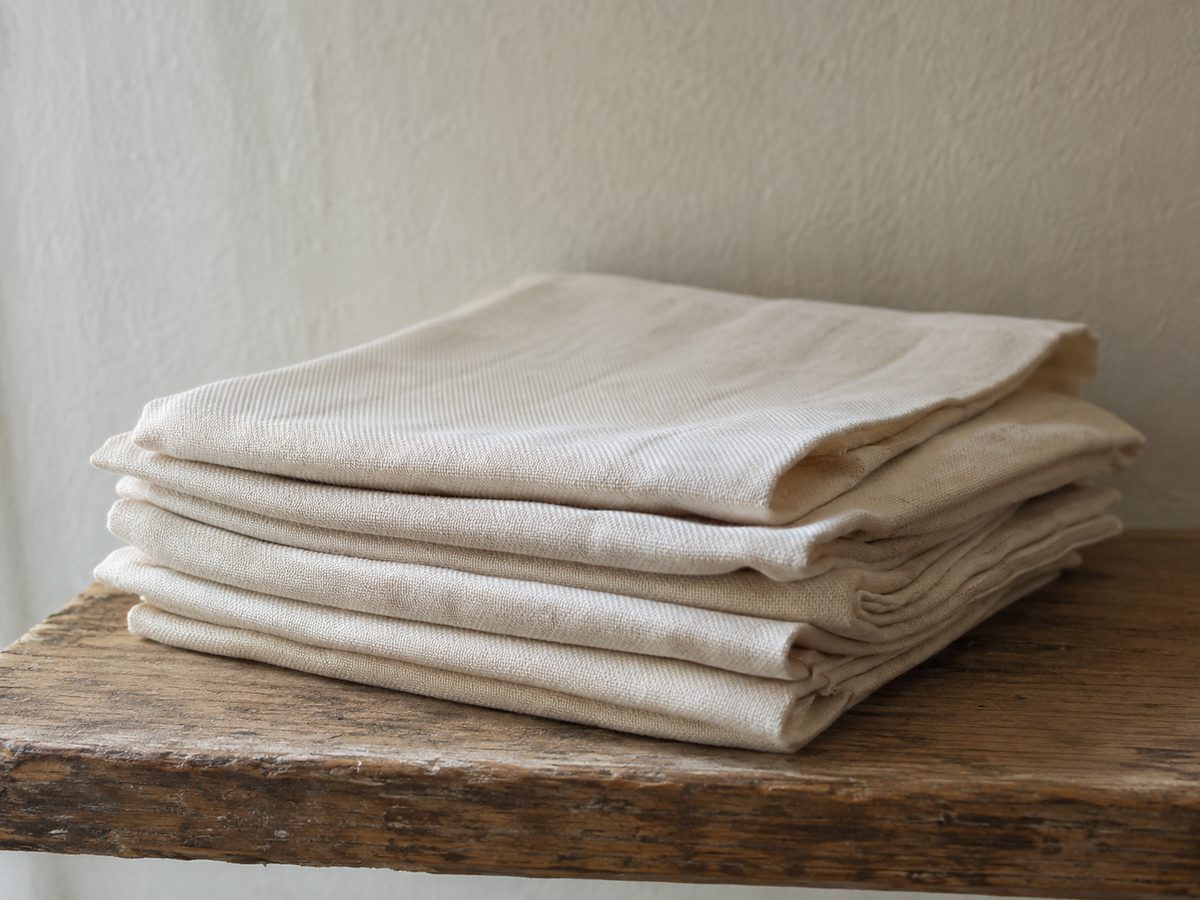
Organic cotton is the most commonly recommended alternative, offering natural breathability and temperature regulation without the synthetic heat-trapping and chemical exposure concerns tied to polyester and nylon blends. Other natural fibers, including bamboo and modal derived from natural cellulose sources, and wool for those who don’t find it irritating against sensitive skin, offer similar breathability benefits. The goal isn’t eliminating synthetic performance gear entirely, since it serves a real function during intense training or athletic activity where moisture-wicking and stretch genuinely matter. It’s being thoughtful about what’s worn for the majority of ordinary daily hours, changing out of synthetic performance gear promptly after a workout rather than wearing it for hours afterward, and choosing natural fibers as the default for everyday wear.
A Simple, Low-Cost Change
This is one of the more accessible changes on this entire list, requiring no significant lifestyle overhaul, no new habit to build, just a different purchasing decision the next time underwear needs replacing. It won’t independently fix a genuine hormonal issue on its own, and it shouldn’t be oversold as a standalone solution, but as one piece of a broader pattern that includes sleep, training, stress, and nutrition, it’s a reasonable, low-effort adjustment worth making.
How This Fits Into the 9 Pillars
This connects most directly to Food and Water in the broader sense of minimizing unnecessary chemical exposure, though its most direct mechanism ties into overall hormonal health, a factor touching Rest, Movement, and Thought as much as any single physical input.
How This Works Into What I Offer
Natural fiber alternatives, including organic cotton options, are part of the Recommended Products list, alongside other everyday swaps aimed at reducing unnecessary synthetic and chemical exposure. Explore it at certifiedhealthnut.com/recommendations. For the broader picture on natural testosterone support, explore the Testosterone Guide at certifiedhealthnut.com/testosterone-guide.
What to Do Next
Next time you need to replace underwear, choose organic cotton or another natural fiber instead of a synthetic performance blend for everyday wear. For the complete picture on supporting testosterone naturally, explore the Testosterone Guide at certifiedhealthnut.com/testosterone-guide, or reach out through certifiedhealthnut.com with questions.
Frequently Asked Questions
Why does temperature matter for testosterone production?
Testicular function depends on maintaining a temperature slightly below core body temperature, which is exactly why the testes sit outside the body rather than internally. Sperm production is particularly sensitive to elevated temperature, and research has consistently linked increased scrotal temperature to reduced sperm quality and count. Testosterone production is also affected by sustained heat exposure, though research isolating underwear specifically is less extensive than the broader research on heat exposure and testicular function.
What is the problem with synthetic underwear?
Most conventional underwear is made from polyester and nylon blends chosen for cost, stretch and moisture-wicking rather than for temperature regulation. Tight-fitting synthetic underwear traps heat and limits airflow more than looser, breathable natural fibers. It is the combination of tight fit and poor breathability that matters. Consistently elevated scrotal temperature day after day over months and years is a meaningfully different exposure than an occasional hot bath.
What are xenoestrogens and how do they relate?
Xenoestrogens are chemicals that mimic estrogen in the body and can interfere with normal hormone signalling when exposure is sustained. Certain synthetic materials, and the dyes or finishes used in manufacturing, can contain or shed such compounds. This is a broader category that includes many plastics and personal care products, but underwear’s position in prolonged, direct contact with reproductive tissue for most of the day makes it a meaningfully relevant piece of that picture.
What should I look for instead?
Organic cotton is the most commonly recommended alternative, offering natural breathability and temperature regulation without the synthetic heat-trapping and chemical exposure concerns. Other natural fibers including bamboo, modal derived from natural cellulose, and wool for those who tolerate it, offer similar benefits. The goal is not eliminating synthetic performance gear entirely, since it serves a real function during training. It is being thoughtful about what is worn for the majority of ordinary daily hours.
Will changing my underwear fix a hormone problem?
No, and it should not be oversold as a standalone solution. It will not independently fix a genuine hormonal issue. As one piece of a broader pattern that includes sleep, training, stress and nutrition, it is a reasonable, low-effort adjustment worth making, requiring no lifestyle overhaul, just a different purchasing decision next time underwear needs replacing.