Wellness trends move fast, and two that have picked up real momentum recently, hydrogen water and shilajit, both come wrapped in dramatic marketing claims that make it hard to tell what’s genuinely supported by research and what’s mostly hype riding on ancient-sounding language. Both deserve a fair, honest look, since the reality sits somewhere more nuanced than either the enthusiastic marketing or the reflexive skepticism suggests.
What Hydrogen Water Is
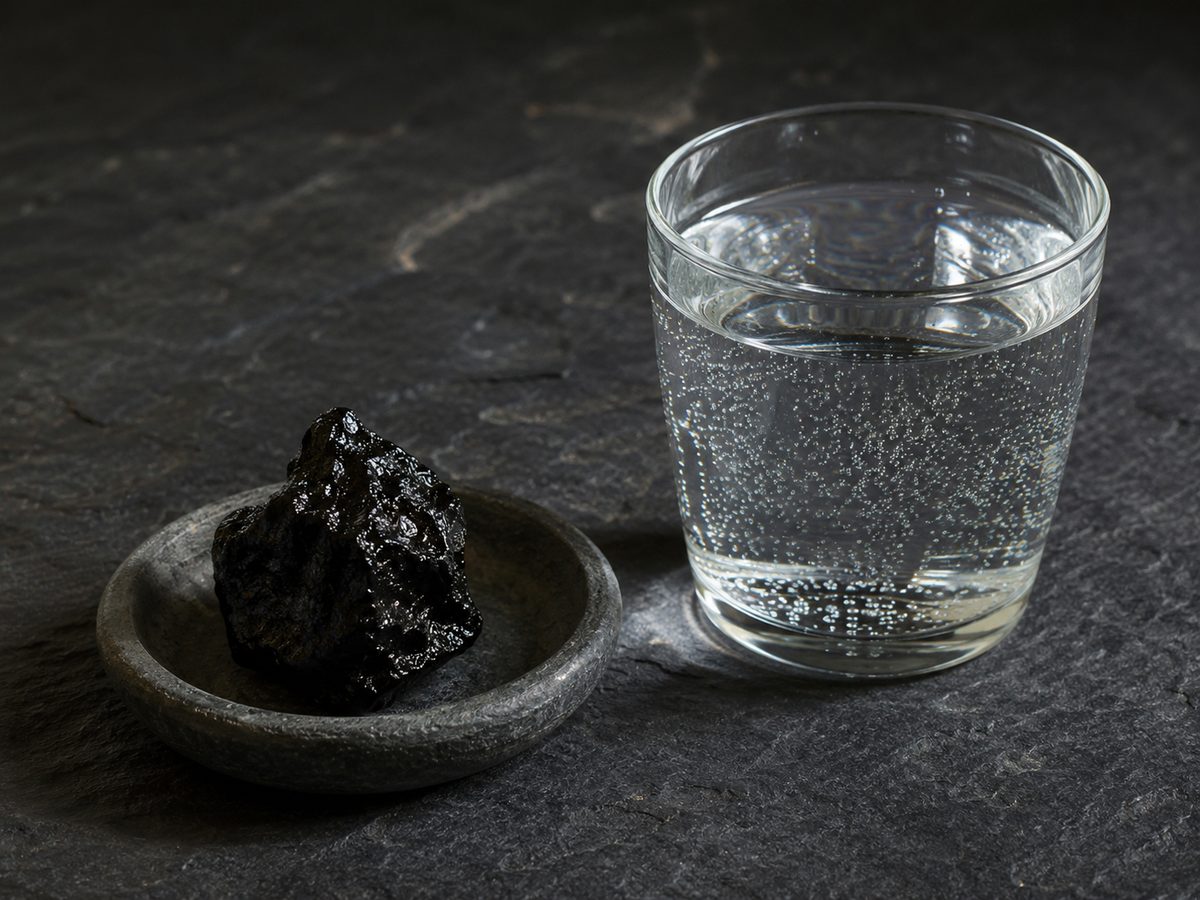
Hydrogen water is regular water infused with additional molecular hydrogen gas, dissolved into the water at a concentration higher than what naturally occurs. The theory behind its proposed benefits centers on molecular hydrogen’s behavior as a selective antioxidant, meaning it may neutralize particularly harmful free radicals in the body without interfering with the normal, necessary oxidative processes cells also depend on, a more targeted action than many broader antioxidant compounds provide.
What the Research Shows on Hydrogen Water
The research base is real but still developing, smaller and less extensive than more established areas of nutrition science. Some studies, mostly small-scale, have shown modest benefits for markers of oxidative stress and inflammation, and a smaller number of studies have explored potential benefits for exercise recovery and metabolic markers. This research is genuinely promising in places, but it remains preliminary, with a need for larger, more rigorous, longer-term studies before hydrogen water’s effects can be considered well established the way findings on more thoroughly studied nutrients are. The gap between where the marketing often lands, framing it as a broadly essential wellness tool, and where the actual evidence currently sits, promising but early, is worth being honest about directly.
A Brief History of Hydrogen Water
Interest in molecular hydrogen’s biological effects traces back to a pivotal 2007 study published in Nature Medicine, which found that hydrogen gas could act as a selective antioxidant in rodent models, a finding that sparked a wave of subsequent research interest in hydrogen’s therapeutic potential across multiple areas of medicine. Since that initial study, research on molecular hydrogen has expanded considerably, particularly in Japan, where much of the foundational research has been conducted and where hydrogen water products have been commercially available and studied longer than in most Western markets.
What Shilajit Is
Shilajit is a mineral-rich, tar-like resin that forms over centuries from the slow decomposition of plant material compressed within mountain rock, primarily collected from high-altitude regions including the Himalayas and the Altai Mountains. It contains fulvic acid, humic substances, and a wide range of trace minerals, and it’s been used for centuries in Ayurvedic medicine, where it’s traditionally referred to as the breaker of weakness, used to support energy, vitality, and overall resilience.
A Brief History of Shilajit
Shilajit holds a significant place in Ayurvedic medical tradition, with references appearing in ancient Sanskrit texts describing its collection and traditional applications dating back well over a thousand years. Traditional accounts describe its discovery tied to observations of animals, particularly certain monkey populations in mountainous regions, seen consuming the resin, which reportedly prompted early practitioners to investigate its properties directly. Modern scientific interest in shilajit’s specific compounds, particularly fulvic acid, developed more recently, with research through the past few decades working to characterize its composition and explore potential mechanisms behind its traditionally claimed effects.
What the Research Shows on Shilajit
Research on shilajit is more limited than research on many other well-studied supplements, though a growing number of smaller studies have explored specific applications. Some research has looked at shilajit’s effect on testosterone levels in men, with a few smaller studies showing modest increases, alongside research examining its potential role in energy metabolism, given its mineral content and traditional use for fatigue and vitality. Fulvic acid specifically has been studied for potential anti-inflammatory and antioxidant properties in laboratory settings, though translating laboratory findings into confirmed real-world human benefit requires the kind of larger, controlled human studies that remain relatively limited for shilajit specifically compared to more extensively researched supplements.
Quality and Sourcing Matter More Than Usual Here
Because shilajit is collected from natural mountain deposits rather than manufactured under controlled conditions, quality and purity vary considerably between sources, and contamination with heavy metals has been a documented concern with lower-quality, improperly processed products. Third-party testing for purity and heavy metal content is a meaningfully important factor to look for when choosing a shilajit product specifically, more so than with many other supplements where manufacturing is more standardized and quality control less variable by source.
A Reasonable Way to Think About Both
Neither hydrogen water nor shilajit should be framed as a required, essential intervention that everyone needs, and neither should be dismissed outright as pure marketing with nothing real behind it. Both have a real, if still developing, research base suggesting genuine biological activity, alongside a long history of traditional use in shilajit’s case specifically. The honest position sits in the middle: these are reasonable tools worth trying if they genuinely interest you, approached with realistic expectations rather than the dramatic claims sometimes attached to them in marketing, and neither is a substitute for the more thoroughly established fundamentals, sleep, movement, whole food nutrition, and stress management, that carry far more research support for overall health than either of these more niche additions.
How This Fits Into the 9 Pillars
Both connect most directly to Food, as dietary additions rather than core interventions, and are best understood as potential complements to the more foundational pillars rather than replacements for consistent attention to Rest, Movement, and Thought, where the strongest, most established research support genuinely lives.
How This Works Into What I Offer
Both hydrogen water and Black Lotus Shilajit are part of the Recommended Products list, offered as personal recommendations rather than products sold directly, worth exploring if either genuinely interests you. Explore the full list at certifiedhealthnut.com/recommendations.
What to Do Next
If either interests you, start with the fundamentals already covered elsewhere, sleep, movement, and nutrition, before adding either as a complement rather than a replacement. Explore the Recommended Products list at certifiedhealthnut.com/recommendations, or reach out through certifiedhealthnut.com with questions.
Frequently Asked Questions
What is hydrogen water?
Regular water infused with additional molecular hydrogen gas, dissolved at a concentration higher than occurs naturally. The theory behind its proposed benefits centres on molecular hydrogen behaving as a selective antioxidant, meaning it may neutralise particularly harmful free radicals without interfering with the normal, necessary oxidative processes cells also depend on, a more targeted action than many broader antioxidant compounds provide.
What does the research on hydrogen water actually show?
The research base is real but still developing, smaller and less extensive than more established areas of nutrition science. Some mostly small-scale studies have shown modest benefits for markers of oxidative stress and inflammation, and a smaller number have explored exercise recovery and metabolic markers. It is genuinely promising in places but remains preliminary. The gap between where marketing lands, framing it as broadly essential, and where the evidence sits, promising but early, is worth being honest about.
What is shilajit?
A mineral-rich, tar-like resin that forms over centuries from the slow decomposition of plant material compressed within mountain rock, primarily collected from high-altitude regions including the Himalayas and the Altai Mountains. It contains fulvic acid, humic substances and a wide range of trace minerals, and has been used for centuries in Ayurvedic medicine, where it is traditionally referred to as the breaker of weakness.
Does shilajit raise testosterone?
Some research has looked at shilajit’s effect on testosterone in men, with a few smaller studies showing modest increases, alongside research examining its potential role in energy metabolism. Fulvic acid specifically has been studied for anti-inflammatory and antioxidant properties in laboratory settings. Translating laboratory findings into confirmed real-world benefit requires larger, controlled human studies that remain relatively limited for shilajit compared to more extensively researched supplements.
Why does sourcing matter so much for shilajit?
Because it is collected from natural mountain deposits rather than manufactured under controlled conditions, quality and purity vary considerably between sources, and contamination with heavy metals has been a documented concern with lower-quality, improperly processed products. Third-party testing for purity and heavy metal content is meaningfully more important here than with supplements where manufacturing is more standardised.